AI has become a controversial topic among the community of writers.
We all know that chatGPT and similar tools that can pull up professionally written content. Chances are that most people working desktop jobs have used this tool at some extent. But what happens with writers?
If you tell chatGPT to write a piece of fiction portraying characters X and Y with a given topic, it will write one that could be quite passable. For many unscrupulous bogus writers, it will be enough to be published. Hence the uprise of AI-created books published on platforms like Amazon and similar. If you’ve read one of these books, chances are you deemed it rubbish.
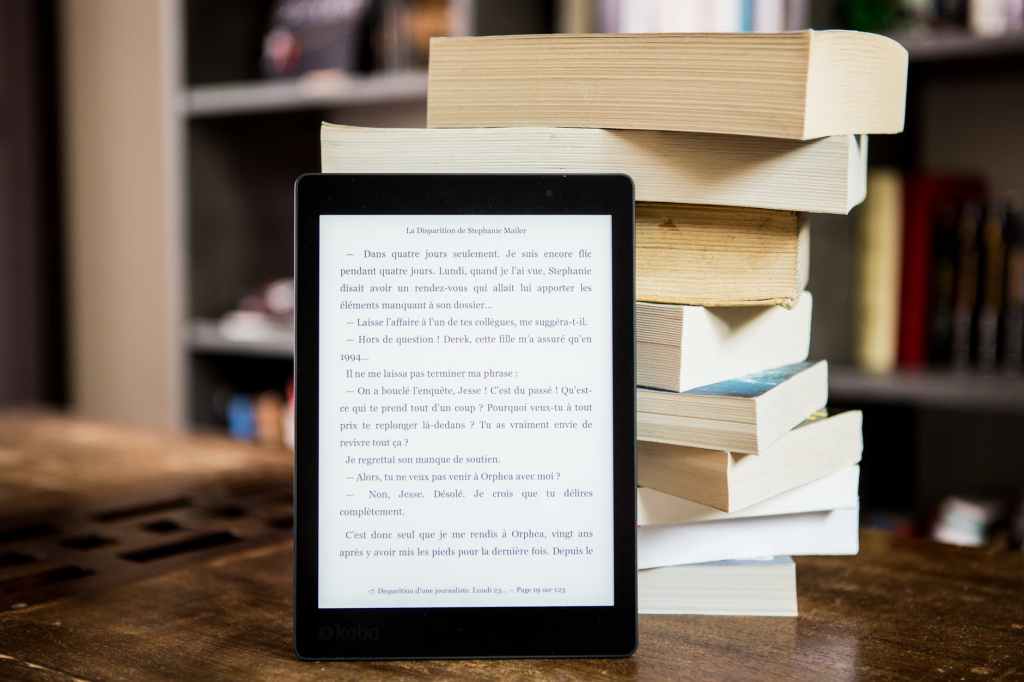
My experience with reading AI fiction and AI non-fiction
Personally, I haven’t read AI fiction, as I’m very careful with the books that I acquire through online platforms. But I’ve come across with one or two non-fiction books, likely purchased at an average of 0.99 cents, promising to be the holy grail to learn subject X. If these non-fiction books had been written by a real person, chances are that twenty pages of content could have been told in one page, the most. They are overly repetitive, mostly make no point, and/or are filled with irrelevant content. No wonder the community of writers looks at the use of AI with disdain.
Using AI for editing
But I don’t. I’m starting to use AI to help my writing. But wait, don’t leave the post now if you’re a fellow writer. Let me clarify: I don’t use it to write. I use it to overcome grammar and sentence structure issues. In other words, I don’t ask chatGPT to write something for me. I do the job—I write first, and when the round of review comes and I come across a sentence structure I’m not happy about, I ask chatGPT “suggest improvement of this text ….”.

Do I replace my text with the AI suggestion? No, not at all. To be honest, I don’t use around 80% of the suggestions. ChatGPT is too repetitive and makes up information that is not relevant to my story at all. But in its suggestions, I find certain wordings and structures that are useful in around 20% of the times.
Telling when a text is AI written
If I were to ask chatGPT to do all the work and to write for me, only to review and adjust later to match my voice, it would be like rewriting it from scratch. I found out that whatever default style chatGPT uses, it has these characteristics:
- It tells a lot instead of showing (tell vs. show)
- It’s overly descriptive
- It exaggerates and there’s too much wordiness.

How to use AI in the editing process
If my text says:
Camila frowned hard as she stared at the dog,And I tell the AI tool to improve it, chatGPT suggests:
Camila's brows knitted tightly, her frown deepening as she fixed her gaze on the dog. Her lips pressed into a thin line, and her eyes narrowed, reflecting a mix of confusion and unease. Something about the dog's behavior—or perhaps its presence—clearly unsettled her, and she couldn’t look away.Text I copied from ChaGPT.
Clearly it’s not a bad piece of text, and sometimes writers who struggle with description might find the AI suggestions tempting. But can you imagine this type of prose in every single paragraph? It would be the most annoying reading ever.
Let’s analyze it deeply, sentence by sentence:
Camila's brows knitted tightly, her frown deepening as she fixed her gaze on the dog.First sentence is good.
Her lips pressed into a thin line, and her eyes narrowed, reflecting a mix of confusion and unease. The portion that says “reflecting a mix of confusion and unease” is a “telling” prose. There’s no need for these extra words. The description of the lips and the eyes are enough to reflect that she was feeling confusion and unease.
Something about the dog's behavior—or perhaps its presence—clearly unsettled her, and she couldn’t look away.It’s an acceptable sentence. But how can AI tell this is actually happening in my story? Maybe Camila wants to look away. Maybe the dog broke a lamp and the staring is more related to scolding the dog rather than that “unsettling dog’s behavior”. This is where AI makes things up.
In summary, if I was looking to improve my sentence, I would probably take into account some words suggested in the first sentence—and that’s all. I would have discarded the rest. Trust me, there will be many instances where I will reject all of the AI’s suggestion.

But is it worthy then to use AI?
I think it is. When we, writers, are in the second or third rounds of revision, sometimes we get stuck with some paragraphs that don’t sound right, even though they are grammatically correct. AI suggestions can help us get out of that situation and improve our work.
Do I use AI when working on the first draft of a manuscript? No—short answer.
For me, the first manuscript draft is your essence as a writer. Here’s where you tell your world about your characters, your story, and you’re writing style. At this stage, you explore your imagination and creativity. If AI does this for you, then you’re not a writer, in my opinion.
Conclusion
I hope this blog post is helpful to those writers who are VERY reluctant to using AI. Of course, this is a personal decision, but as a writer who struggles in the rounds of revision, I have to be honest and admit that I use chatGPT to help me unlock potential uses of the English language. I don’t feel shameful about that because I know that 100% of the characters, the story, and the writing voice are mine.
What do you think about this?
 Carla Doria - Fiction Author
Don’t be shy! Share your thoughts :)